Machine Learning Specialist
Geometry as a Visual Language
My geometry artwork is a visual exploration of structure, emotion, and imagination. Each piece begins with a mathematical idea: symmetry, repetition, transformation, recursion, or spatial balance. From there, the image becomes more than a design. It becomes a conversation between human creativity and computational thinking.
Geometry has always fascinated me because it reveals hidden order. A circle, triangle, spiral, or polygon may look simple at first, but when repeated, transformed, or layered, it can create something deeply complex. In my work, geometric shapes become a framework for exploring the relationship between the human mind, artificial intelligence, and abstract visual storytelling.
Inspiration from Fractal Geometry
One of the strongest inspirations behind this collection is fractal geometry. Fractals are patterns that repeat at different scales. They appear in nature, mathematics, computer graphics, neural networks, and even music.
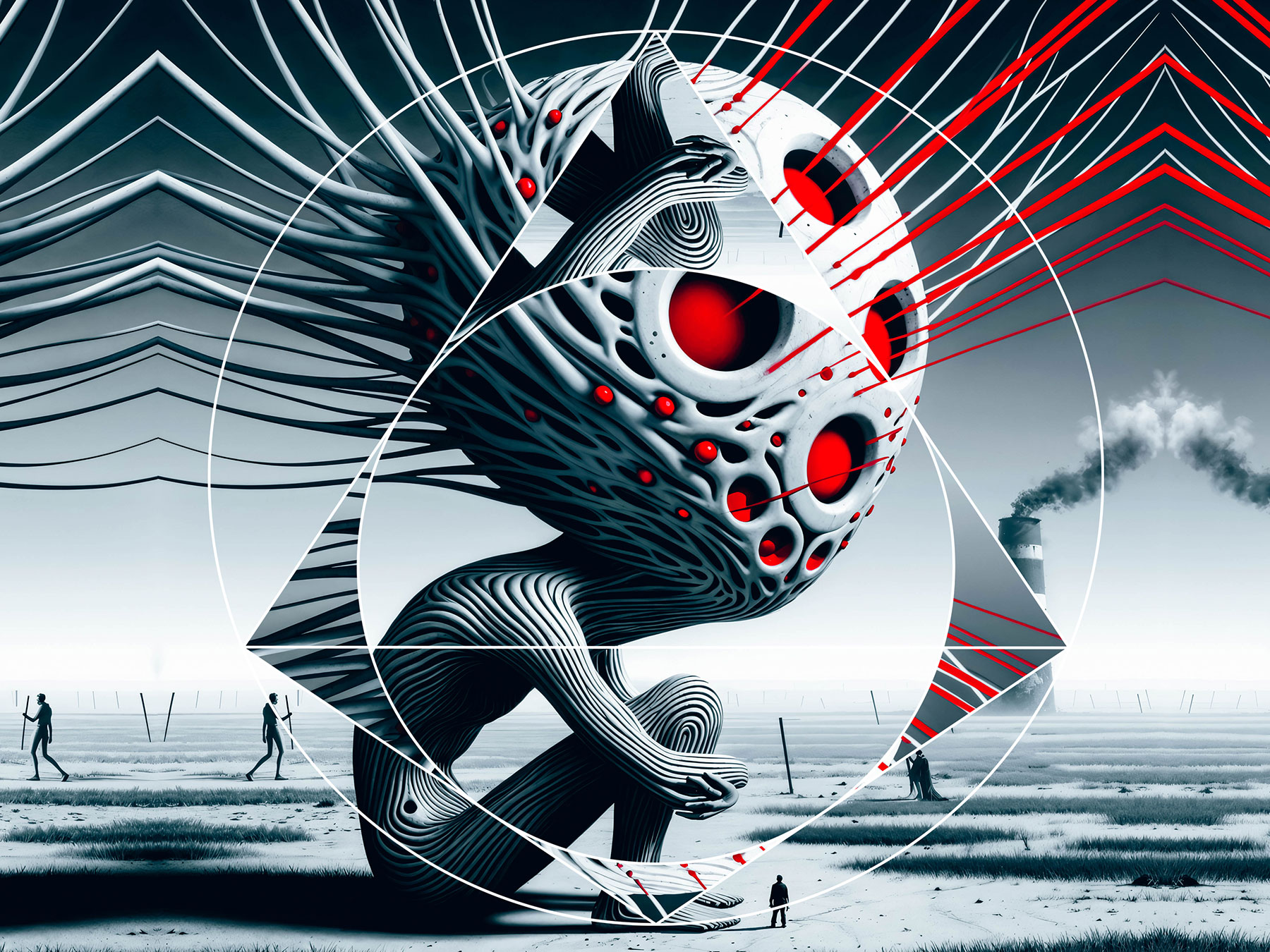
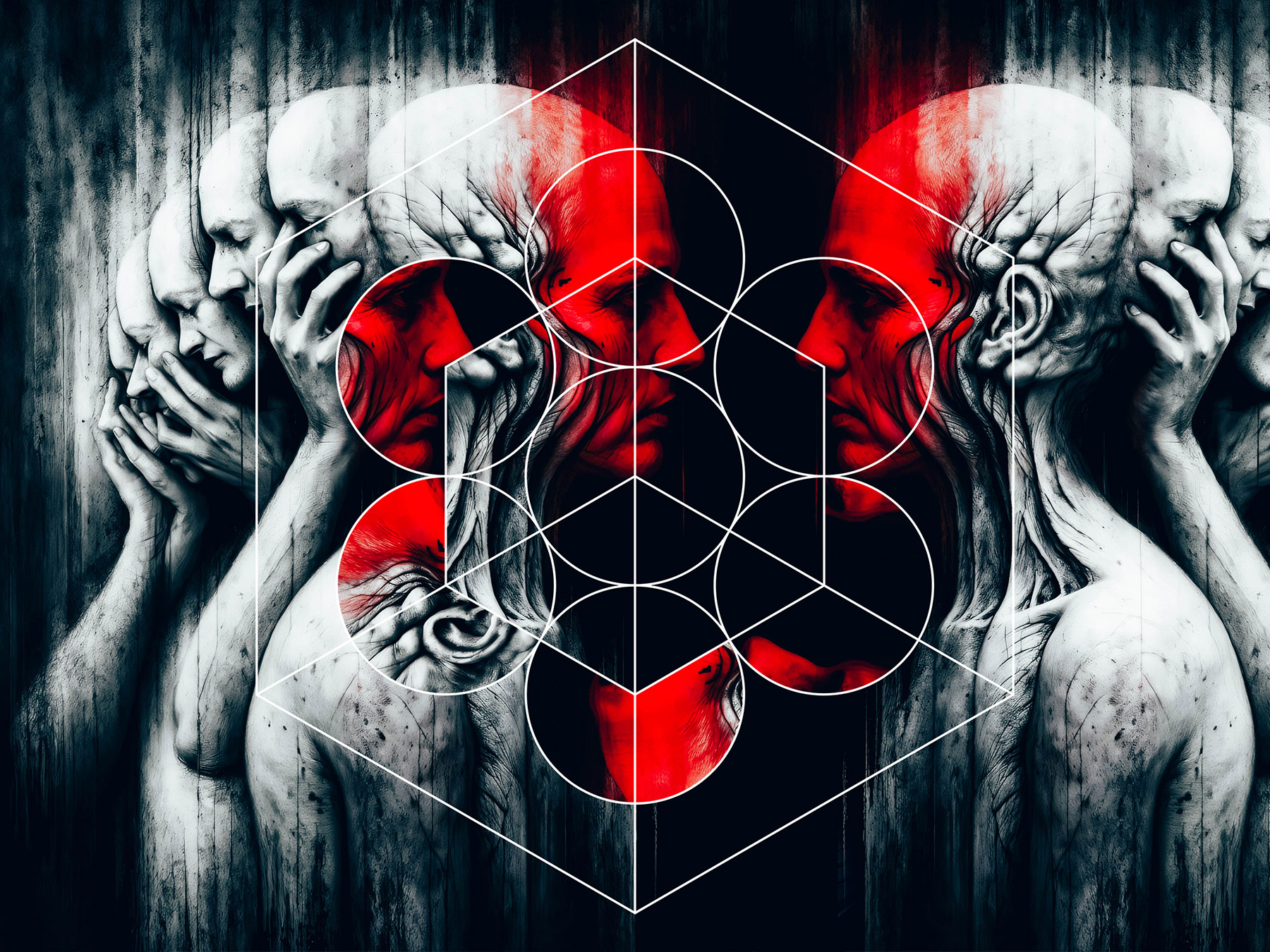
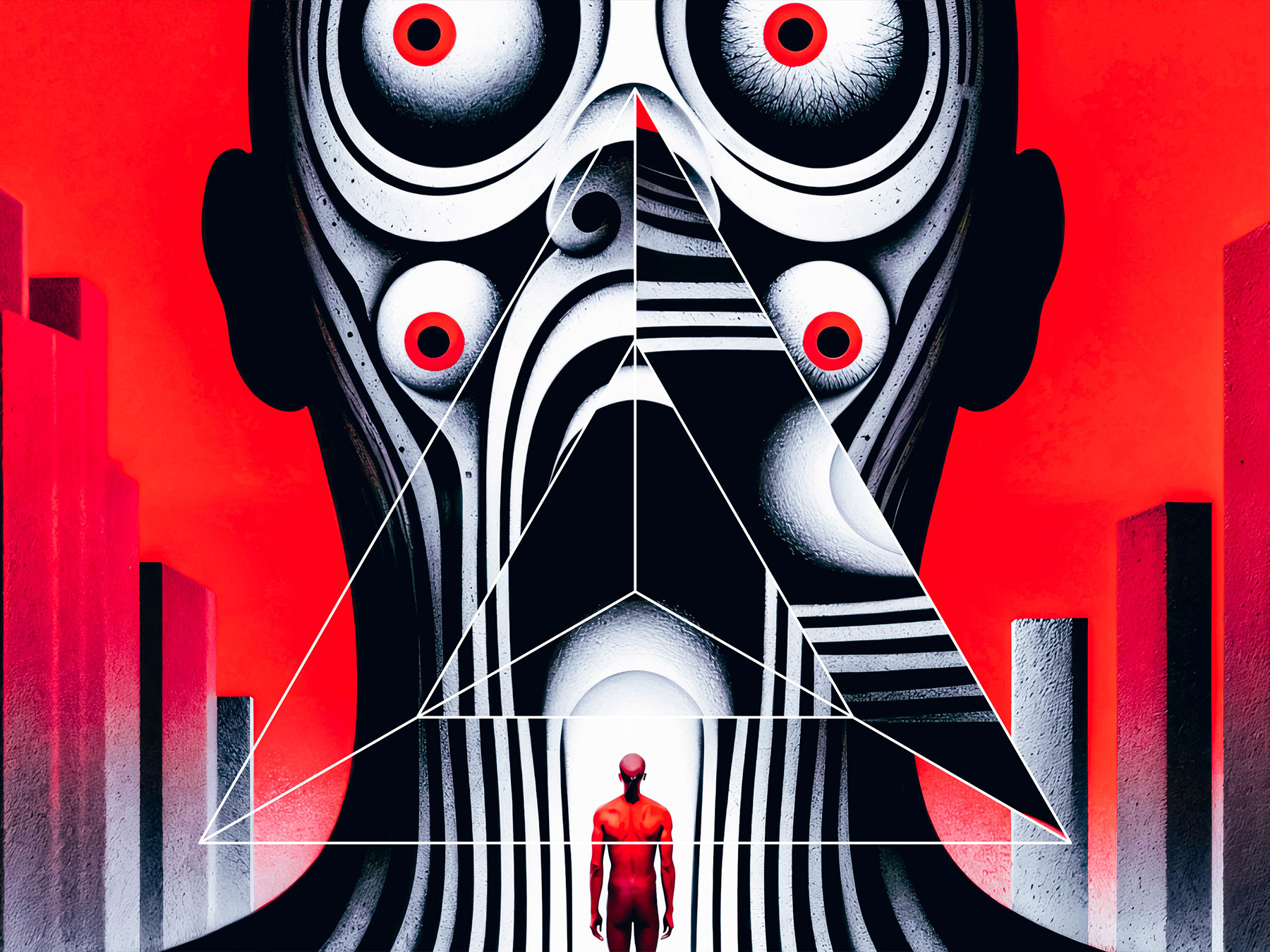
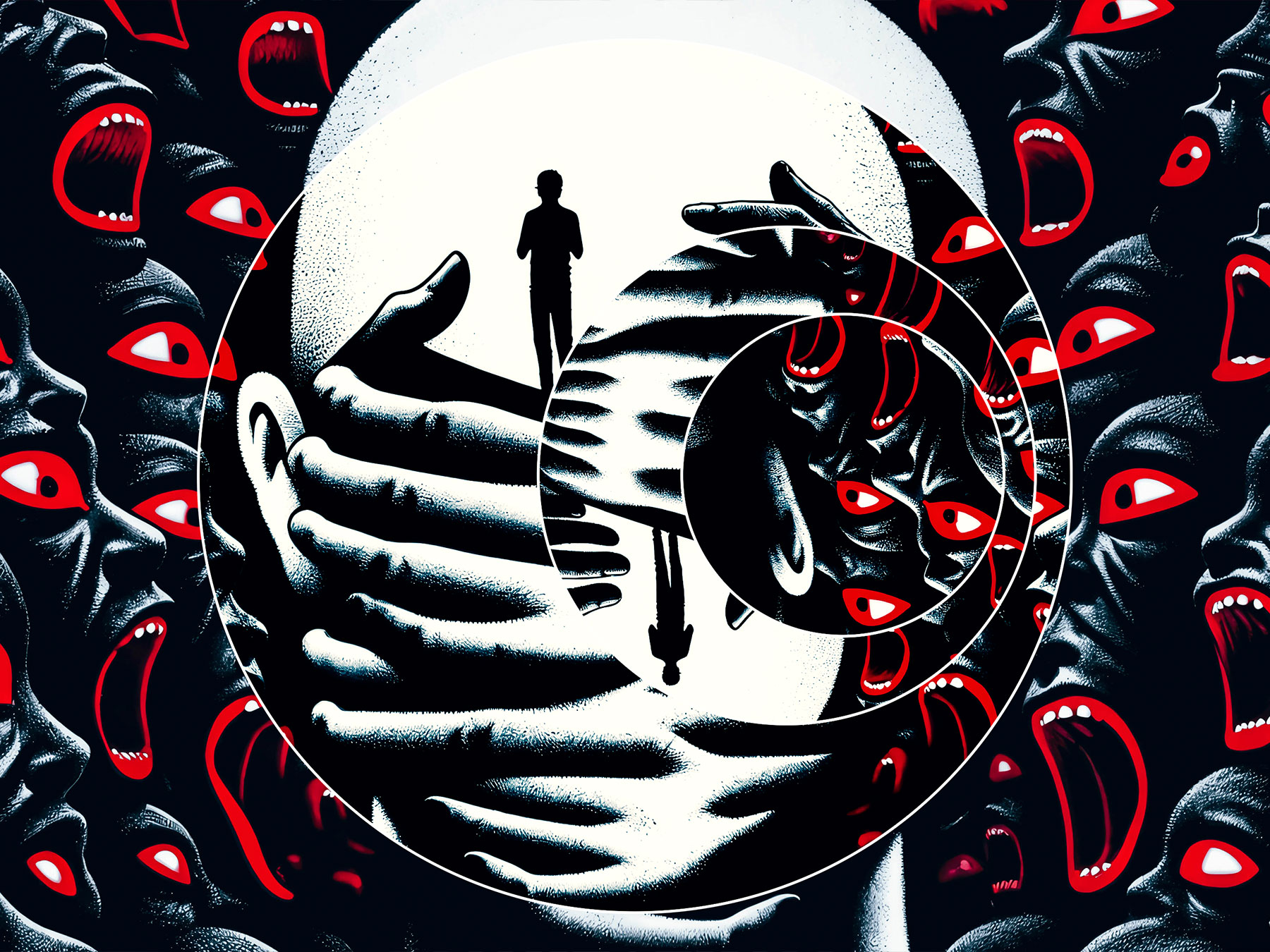
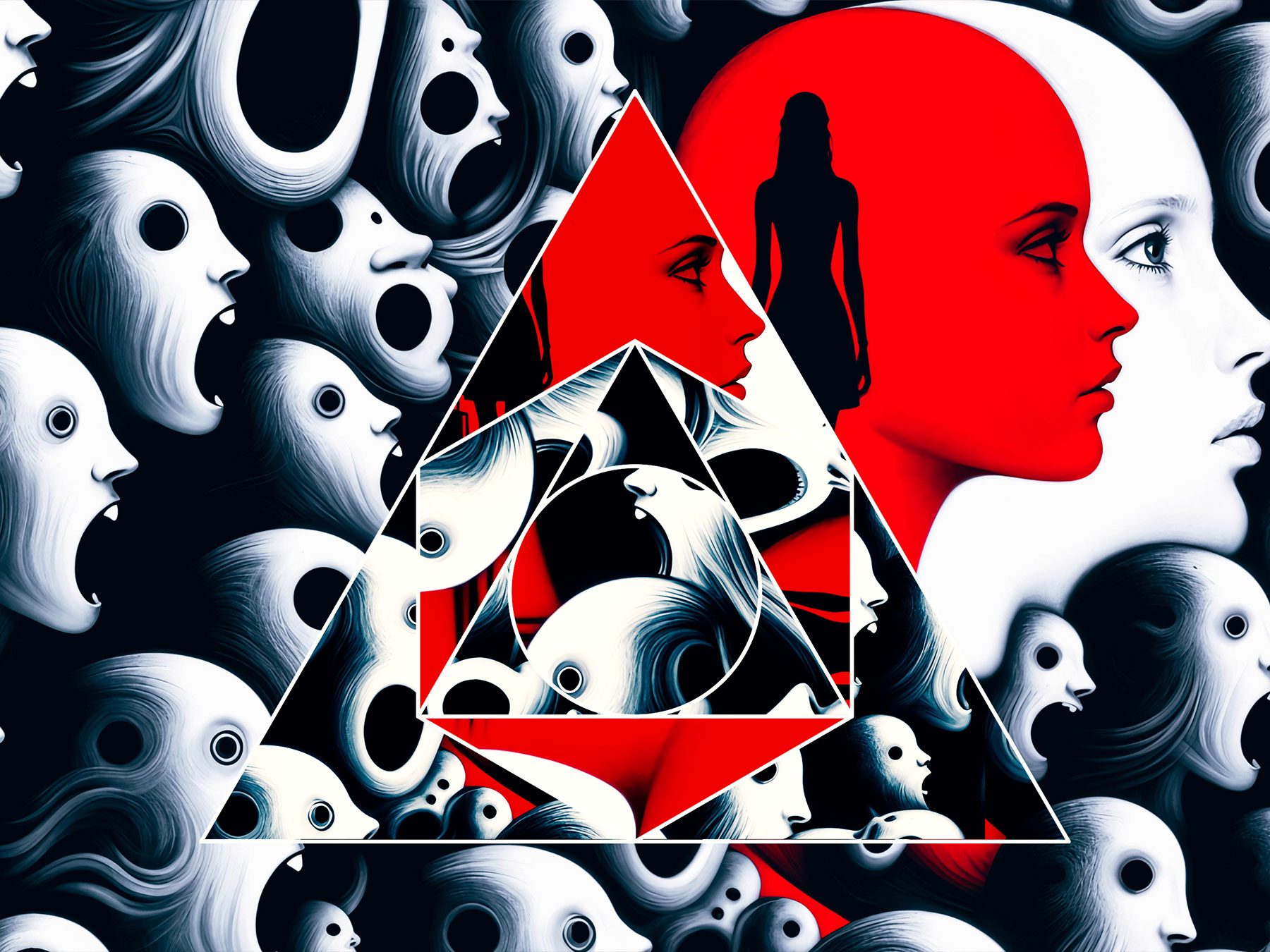
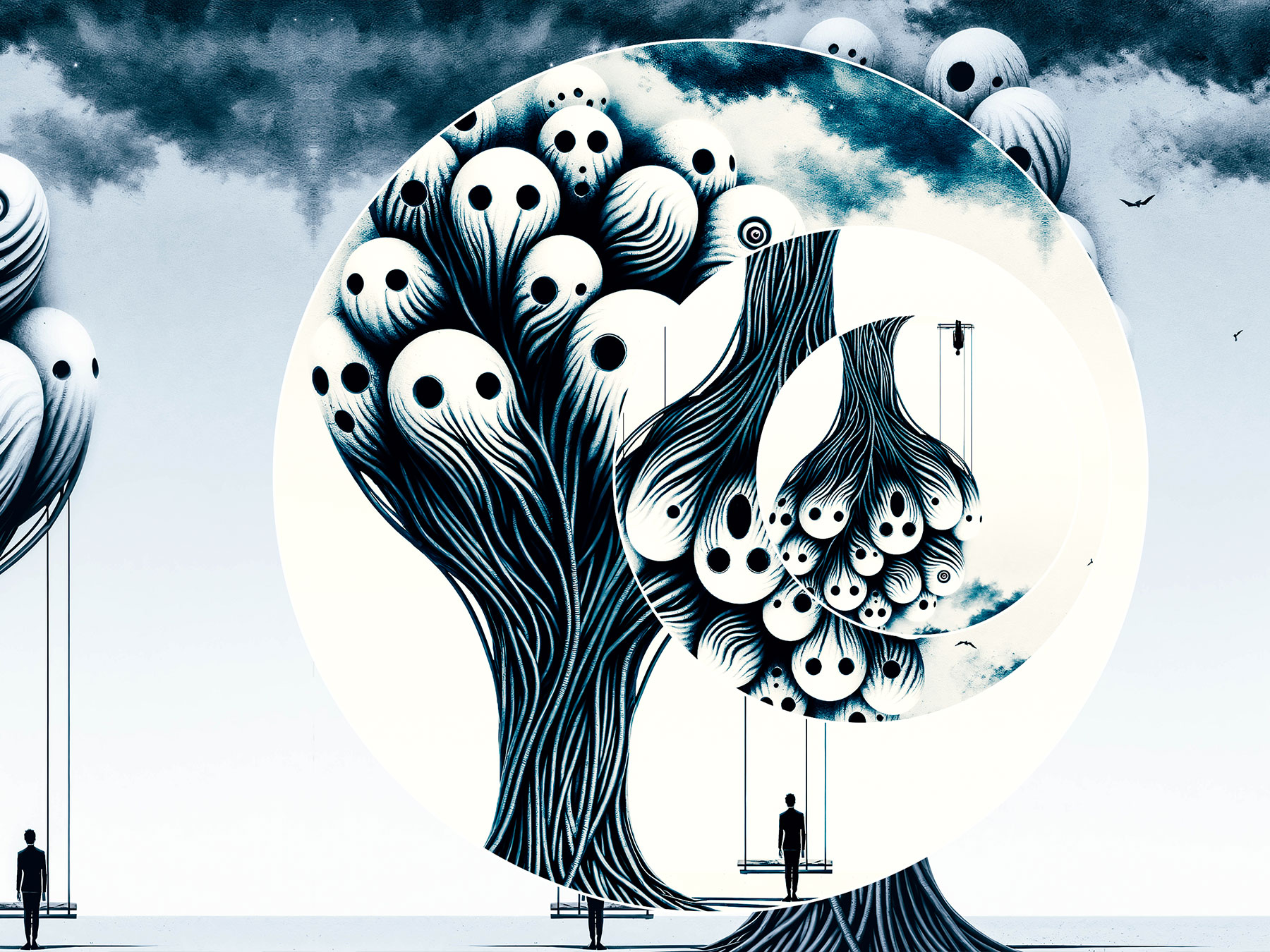
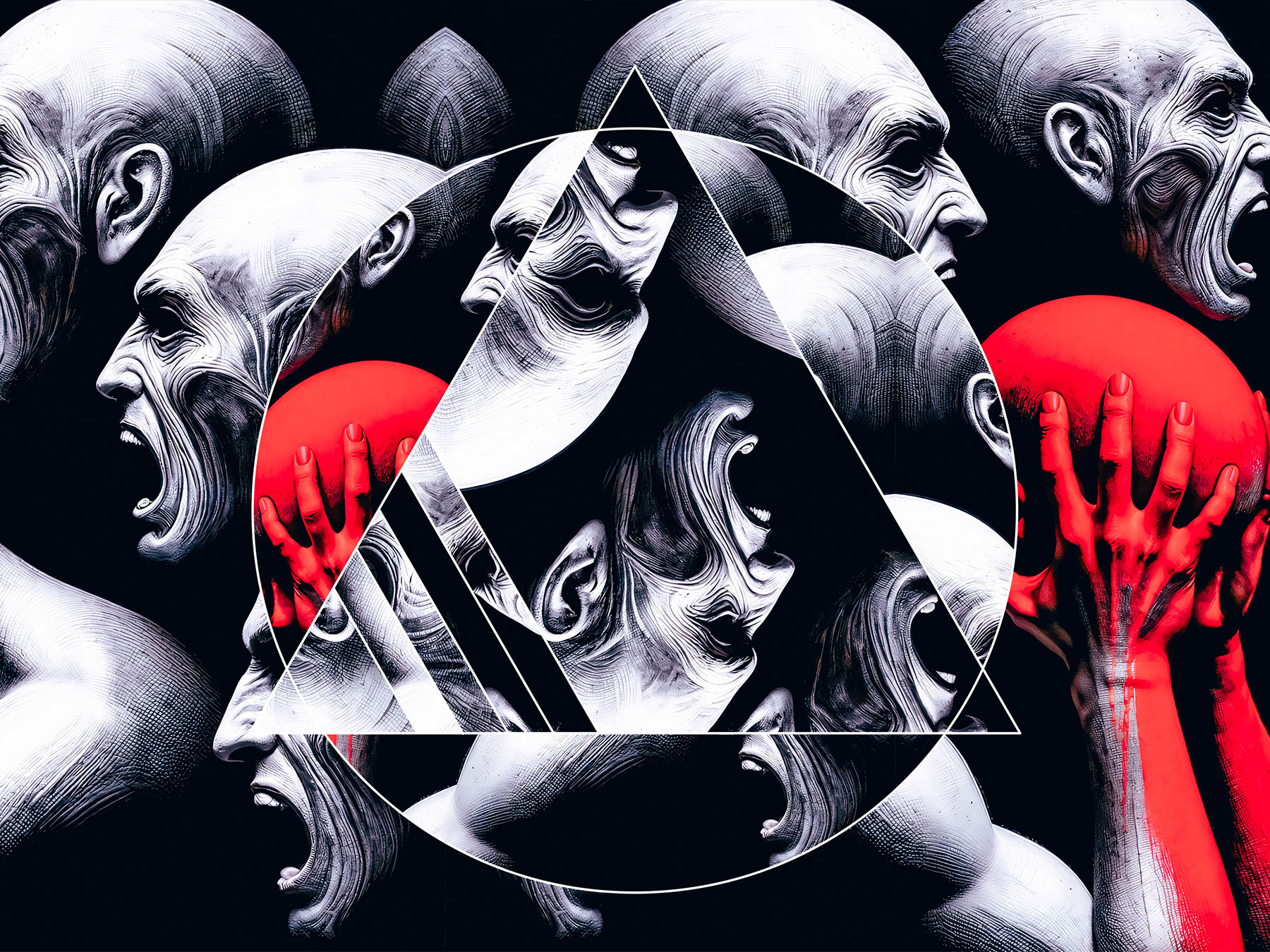
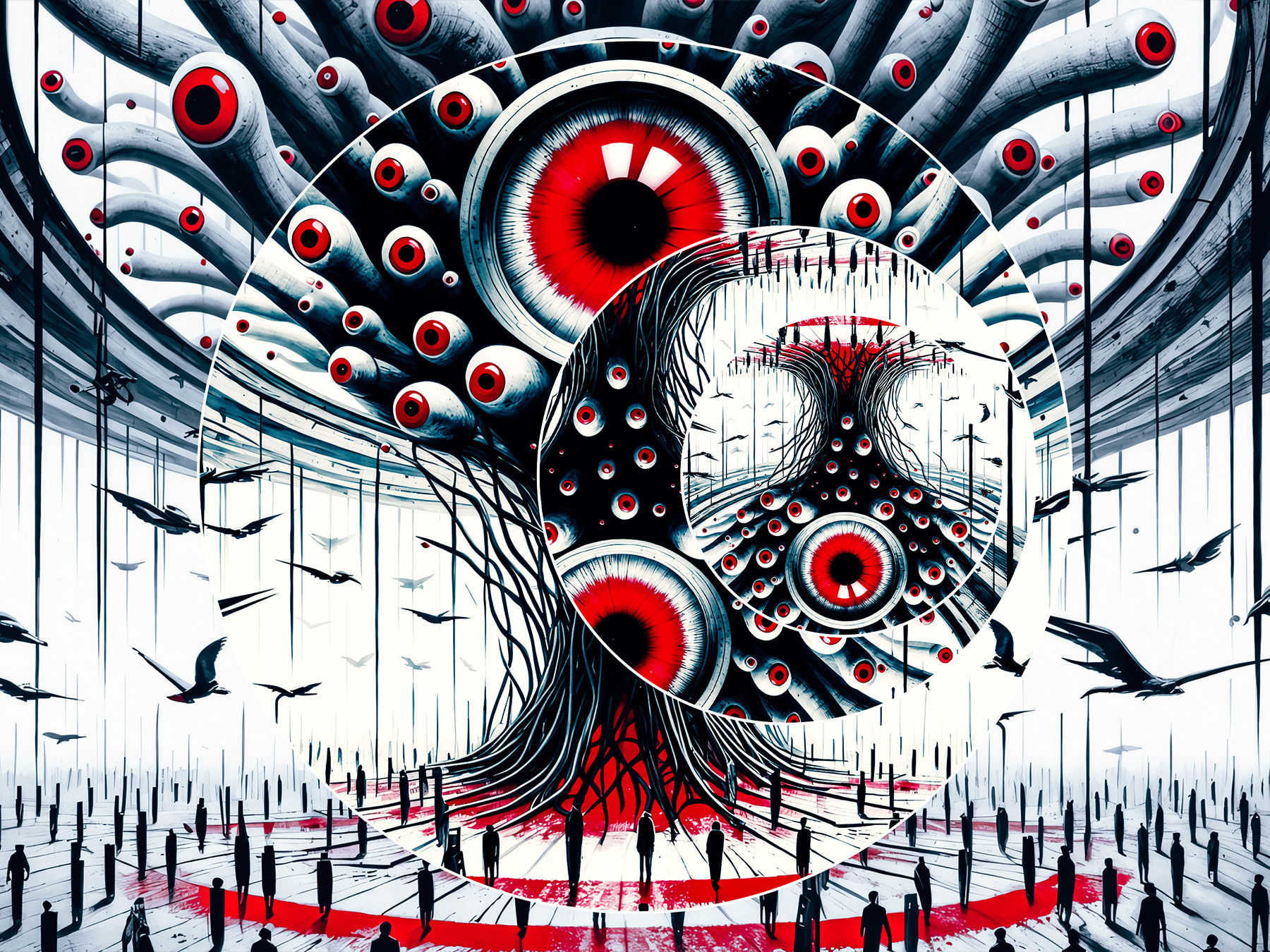
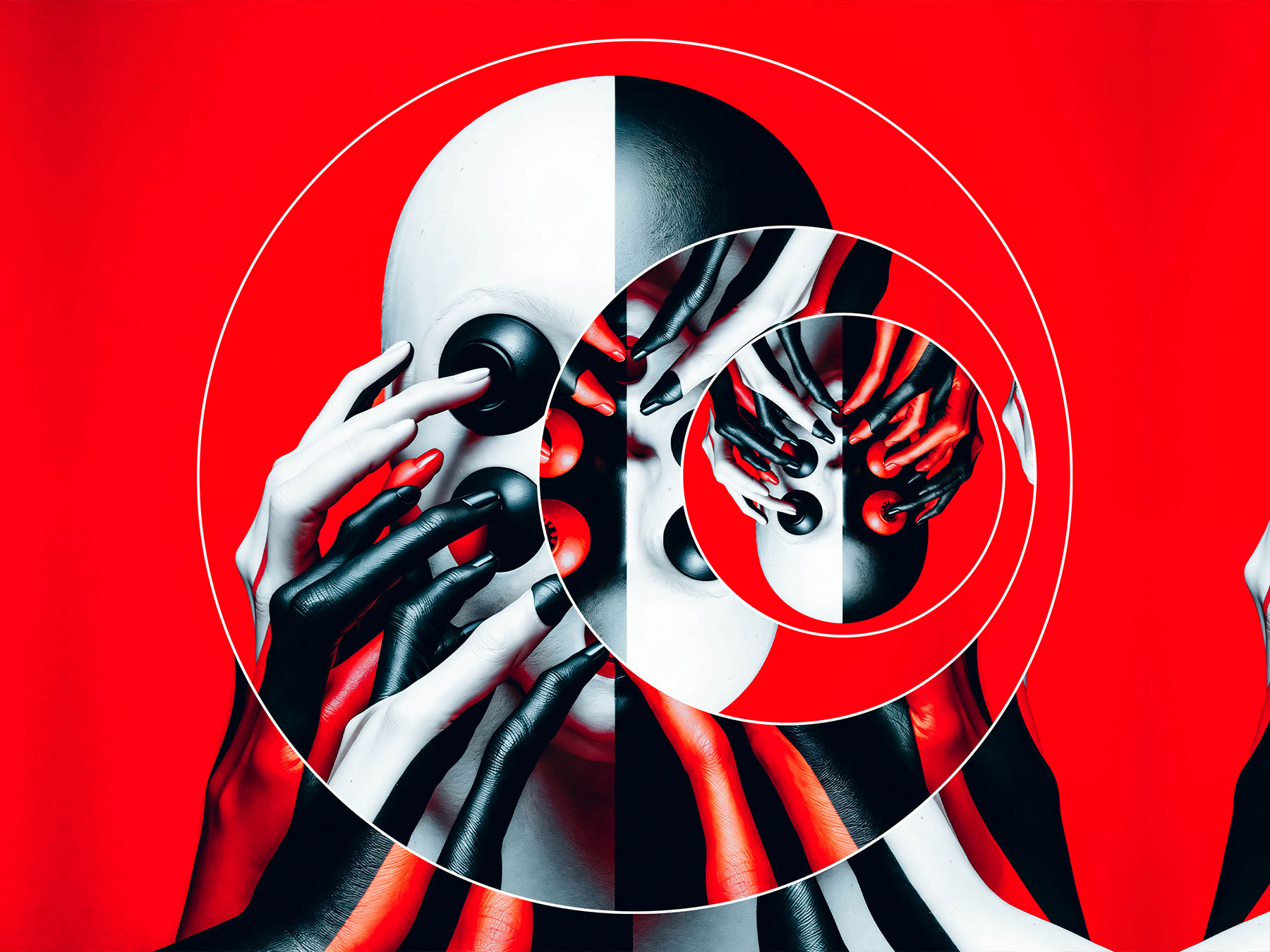
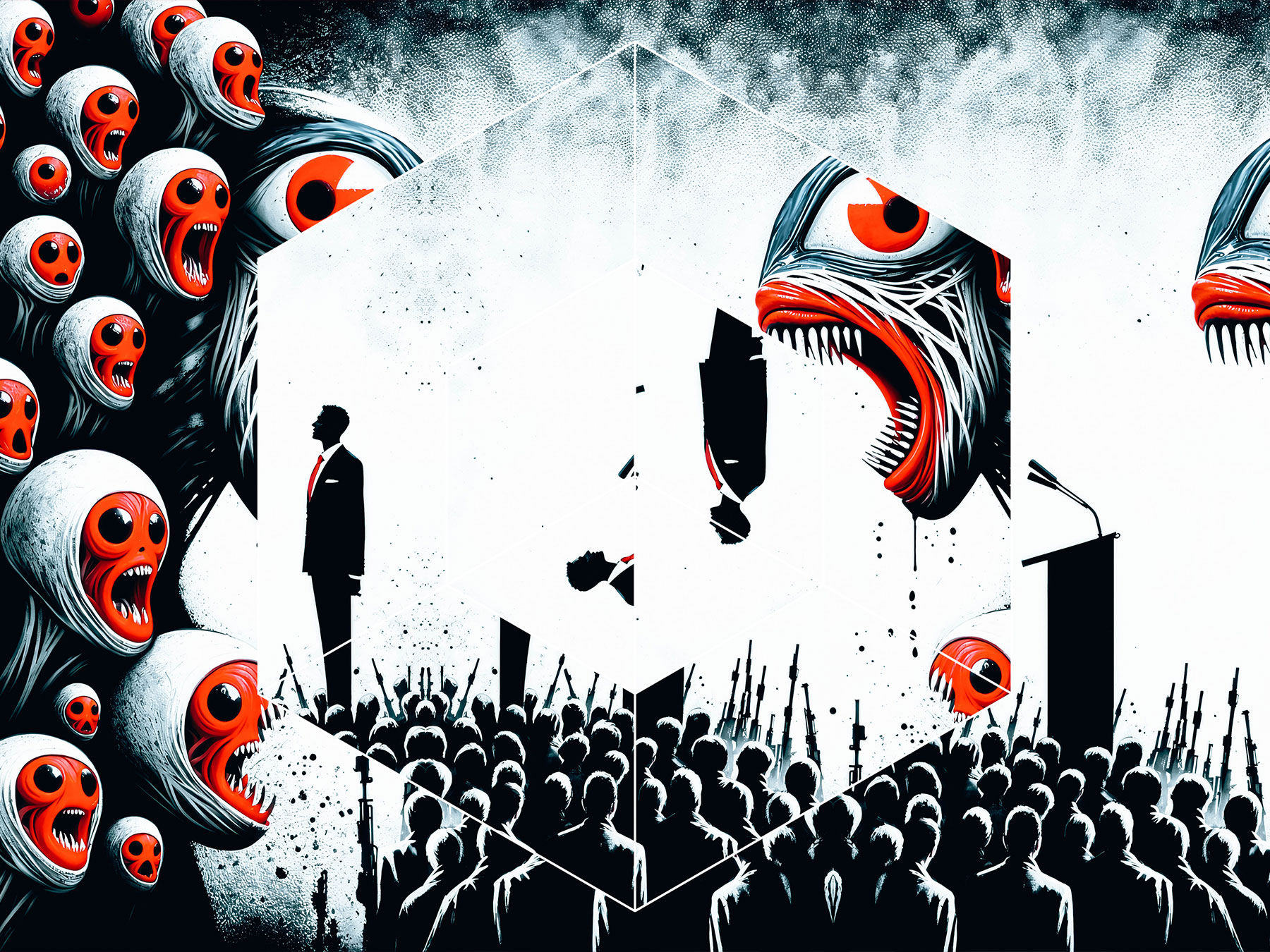
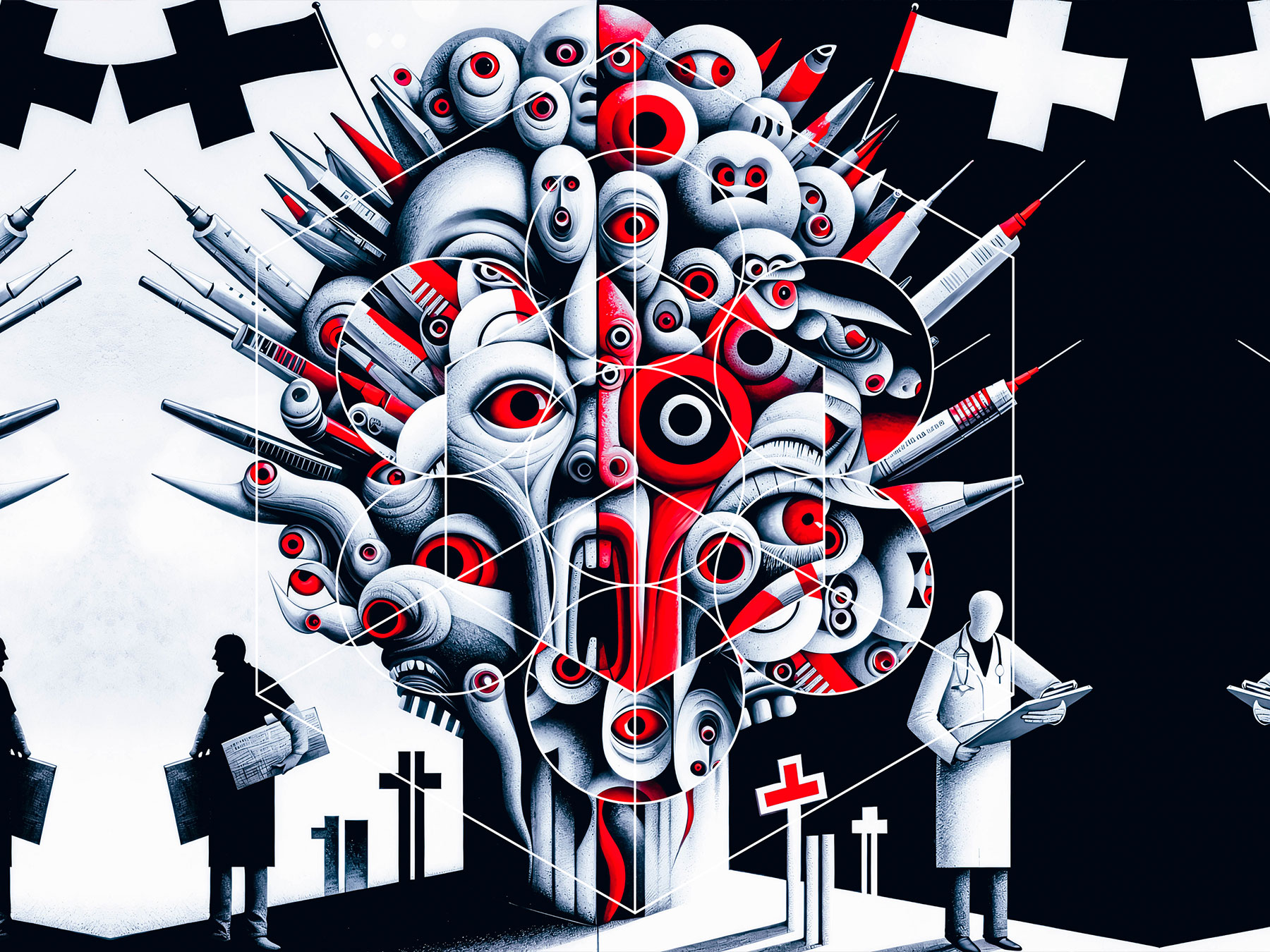
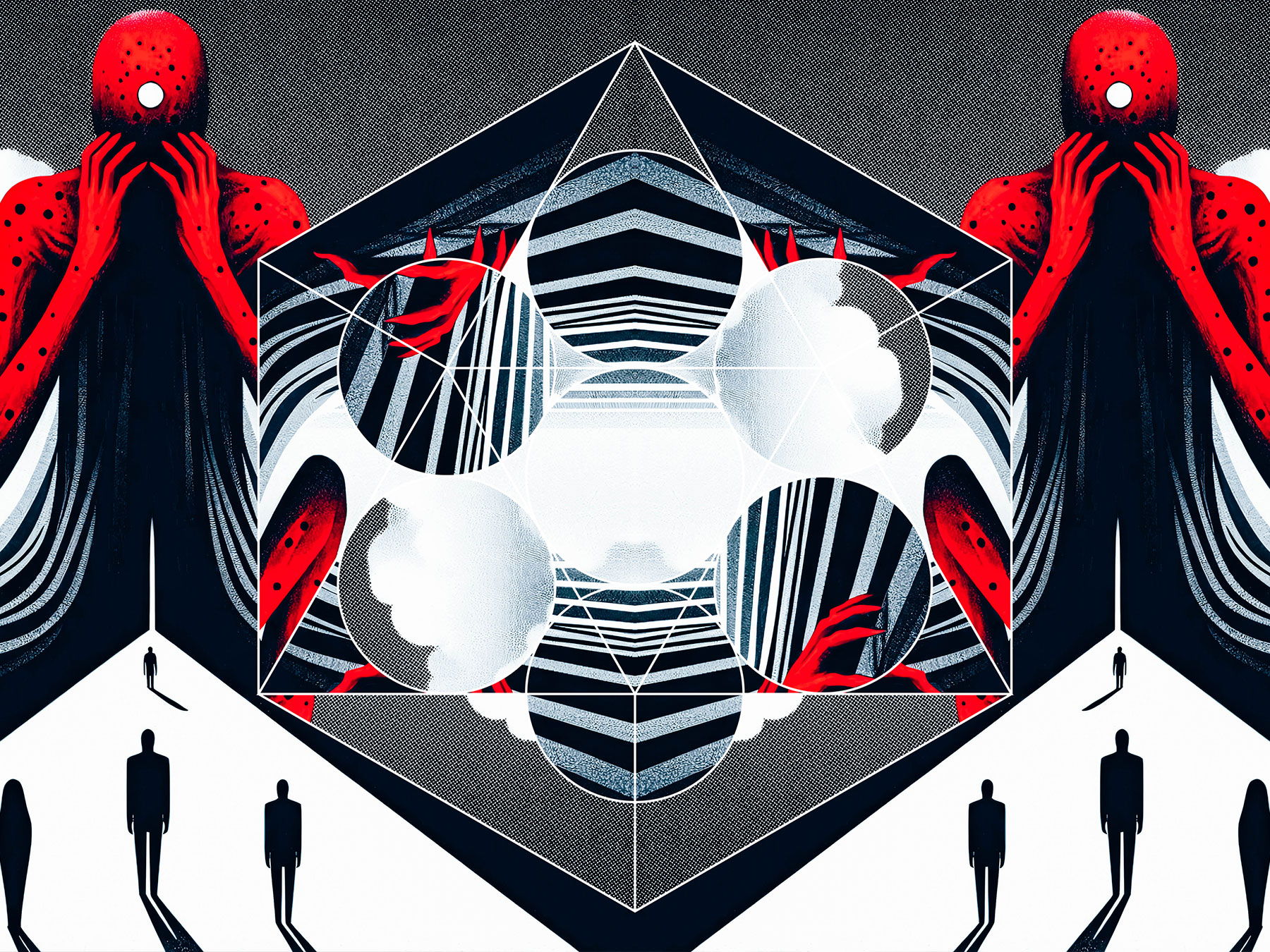
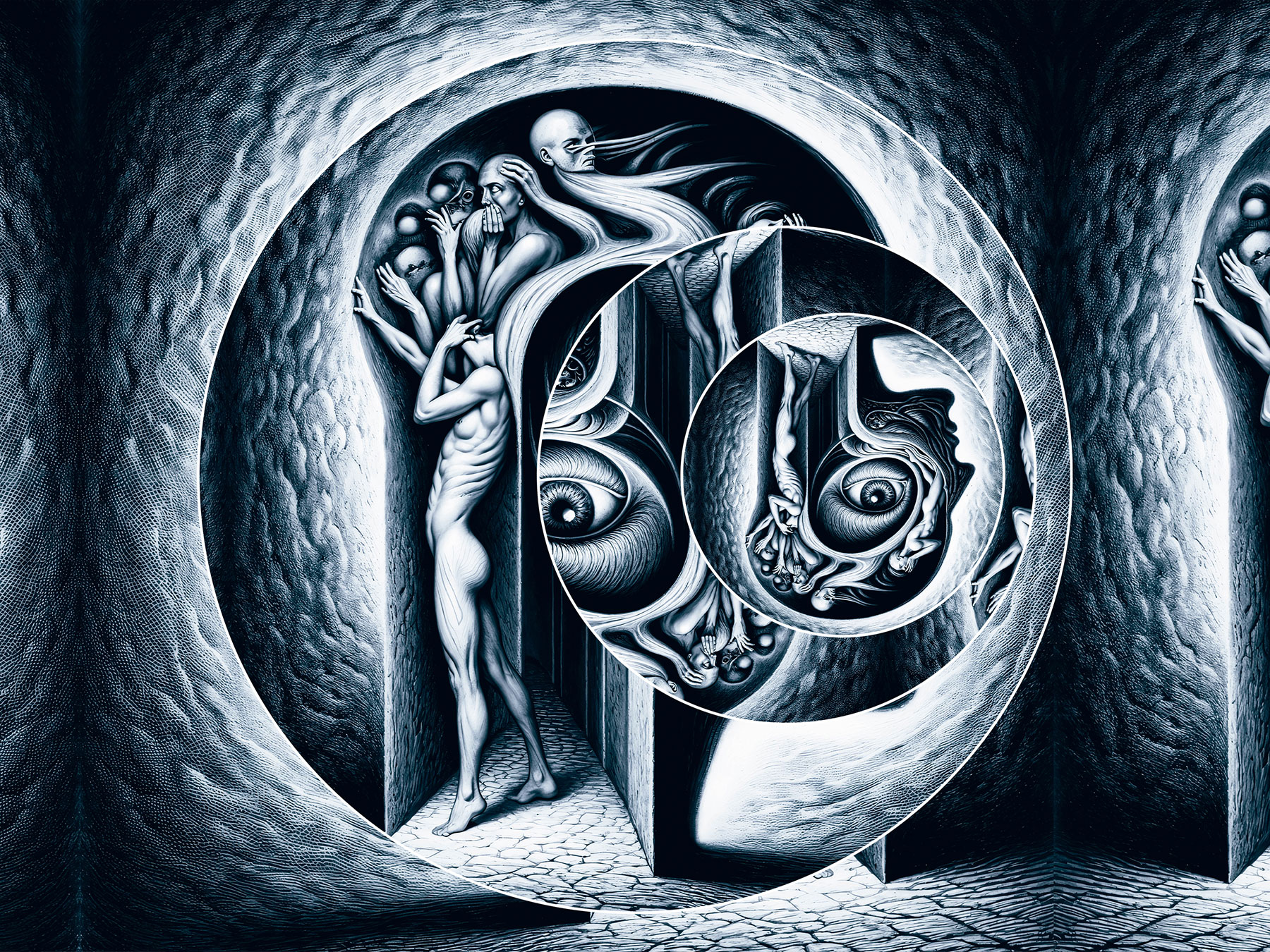
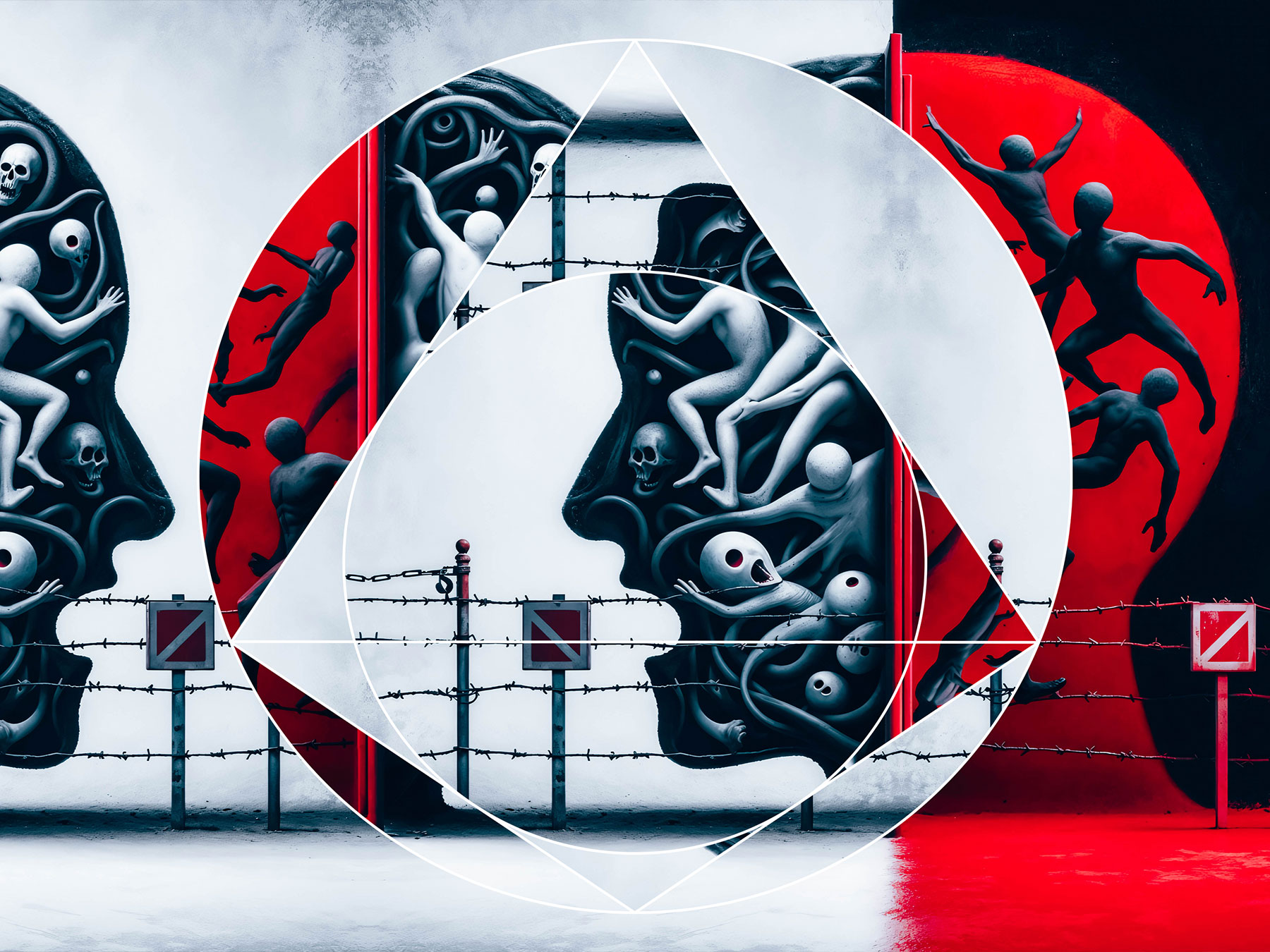
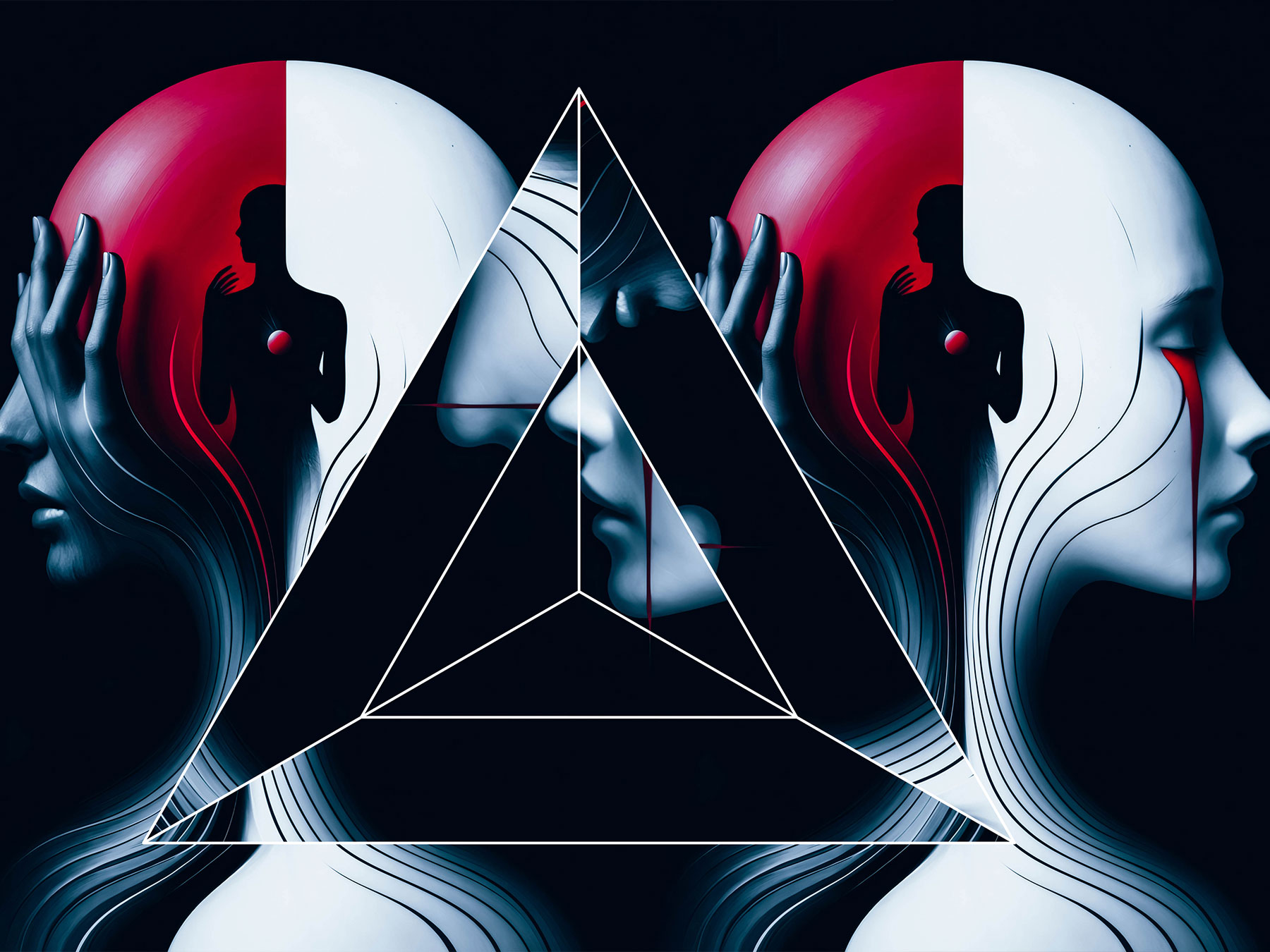
In these artworks, the repeated faces, circles, spirals, eyes, and geometric overlays suggest a fractal-like world where each shape contains another world inside it. The image is not only one image. It is a system of smaller visual patterns, recursively connected.
This idea is powerful because fractals show us that complexity can emerge from simple rules. A small transformation repeated many times can create something unexpected, organic, and emotional. That is the same kind of beauty I try to capture in my geometry art.
Machine Learning as Creative Inspiration
Machine learning also plays an important role in my creative process and visual thinking. As a mathematician and machine learning practitioner, I see art through the lens of patterns, features, layers, and representations.
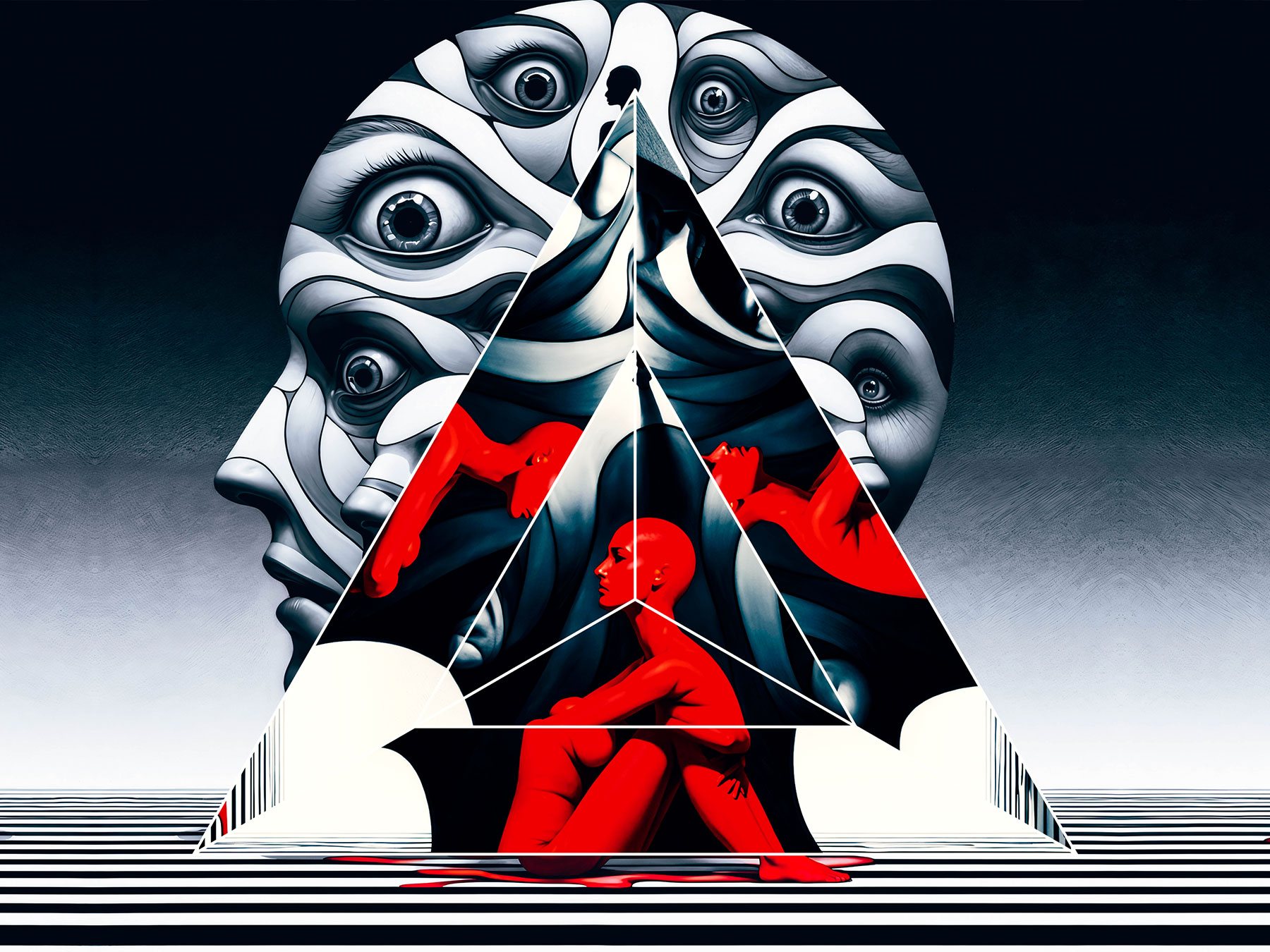
In machine learning, models learn from data by discovering hidden structures. In my artwork, I explore a similar idea visually. The human figures, abstract faces, repeated eyes, and geometric forms represent layers of perception. They suggest how machines and humans may interpret the world differently, yet both depend on patterns.
The artwork reflects questions such as:
How do we recognize meaning inside complexity?
How does repetition create identity?
Can geometry become emotion?
Can artificial intelligence help us see new visual possibilities?
These questions are central to my work.
Deep Learning and Layers of Perception
Deep learning is built from layers. Each layer learns something different: edges, shapes, textures, objects, and abstract concepts. This layered structure inspires the visual composition of my geometry artwork.
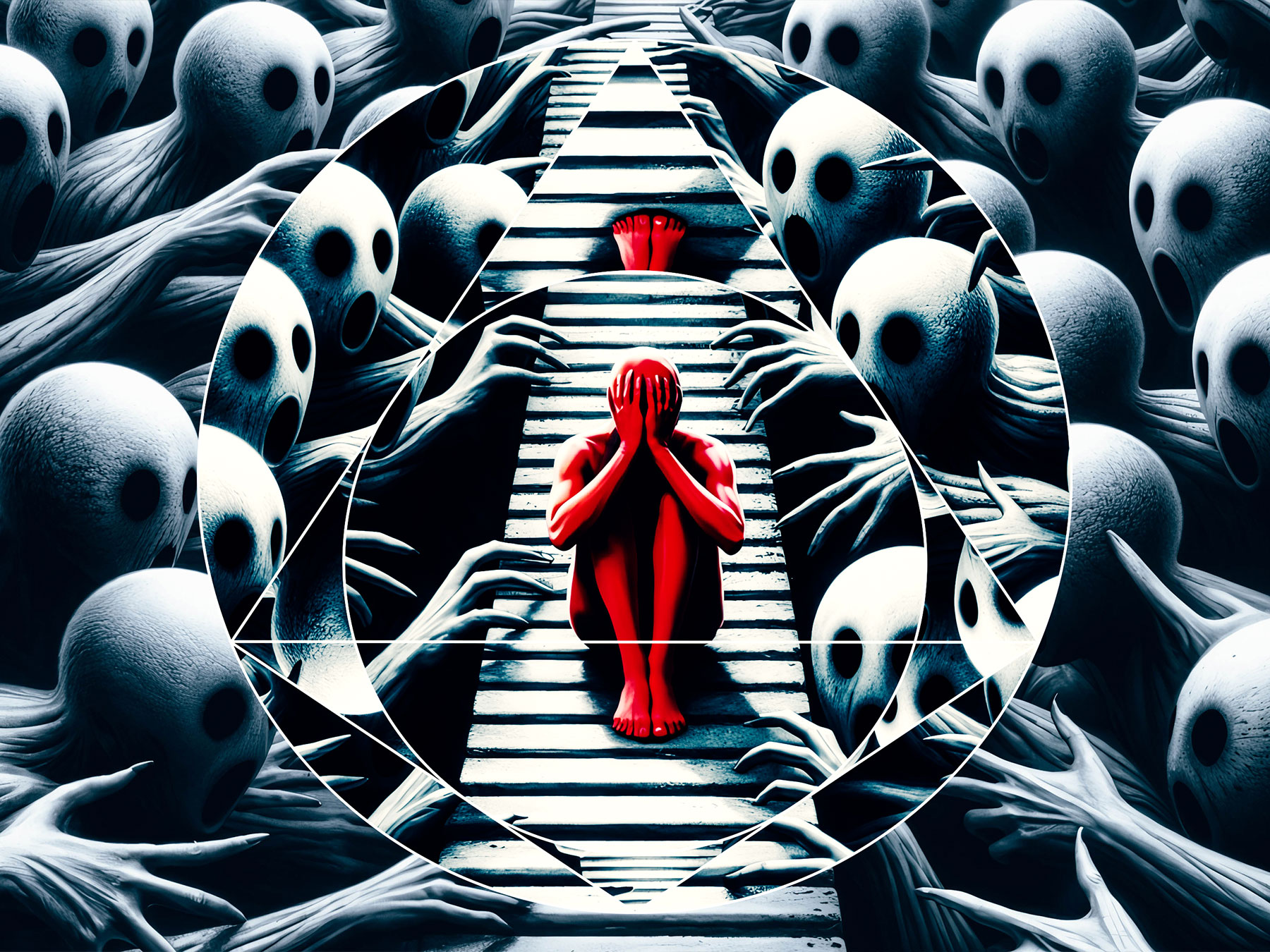
The images often include overlapping circles, triangles, spirals, and nested forms. These elements can be seen as visual metaphors for neural networks. Each geometric layer reveals another level of interpretation. The viewer moves through the image the same way a deep learning model moves through data: from simple structure to complex meaning.
The red, black, and white palette creates intensity and contrast. The human forms suggest emotion, anxiety, identity, and transformation. The geometric overlays create order inside chaos. Together, they form a bridge between mathematics, artificial intelligence, and visual art.
The Human Mind Inside the Machine
A recurring theme in this series is the relationship between the human mind and computational systems. Many of the figures appear surrounded by abstract faces, eyes, masks, and recursive shapes. This creates a sense of inner conflict, observation, memory, and transformation.
For me, this represents the modern creative experience. We live in a world shaped by algorithms, data, and artificial intelligence, but we are still human. We still feel, imagine, struggle, and search for meaning.
My geometry artwork tries to show that tension. It is not only about technology. It is about the human experience inside a technological and mathematical universe.
Why Geometry Matters in Art and AI
Geometry is one of the foundations of both art and artificial intelligence. In computer vision, geometry helps machines understand space, edges, objects, and motion. In computer graphics, geometry allows us to create surfaces, curves, and visual worlds. In art, geometry gives structure to emotion.
My background in mathematics, especially geometry applied to visual systems, influences how I build these images. I am interested in how splines, curves, symmetry, recursion, and spatial relationships can become part of a visual story.
This is where my creative and technical work meet: geometry becomes the bridge between human imagination and machine intelligence.
Final Thoughts
This collection is an exploration of geometry art, fractal geometry, machine learning, and deep learning. It is about finding beauty in repetition, emotion in structure, and meaning inside complexity.
For me, art and artificial intelligence are not separate worlds. They are connected by mathematics, pattern recognition, and creativity. Geometry gives me the language. Machine learning gives me the inspiration. Deep learning gives me the metaphor of layers. Together, they help me create a visual universe where mathematics becomes emotion.
My new geometry artwork is a reflection of that journey: a place where human imagination, fractal patterns, and artificial intelligence meet.