When Photography Meets Machine Learning, Math, and Art — A Day at Ventura Keys
There’s a moment in landscape photography when everything aligns — light, composition, and timing. At Ventura Keys, California, that moment doesn’t just feel artistic… it feels mathematical.
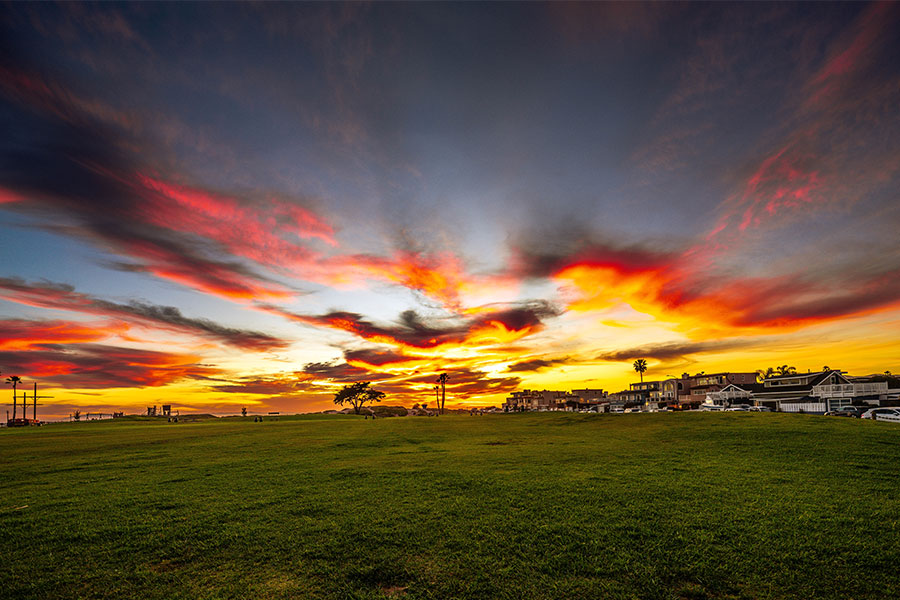
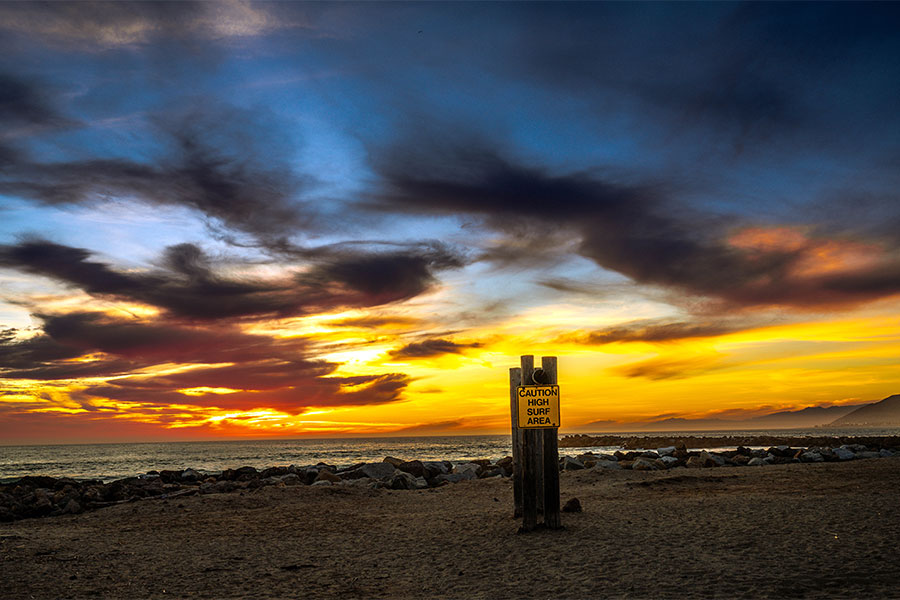
Armed with my Sony a7R V and the 24–70mm GM II, I set out to capture sunsets, coastlines, and the quiet rhythm of the Pacific. But what unfolded was something far more profound: a realization that photography sits at the intersection of art, mathematics, and machine learning.
The Geometry of a Photograph
Every strong composition is built on structure.
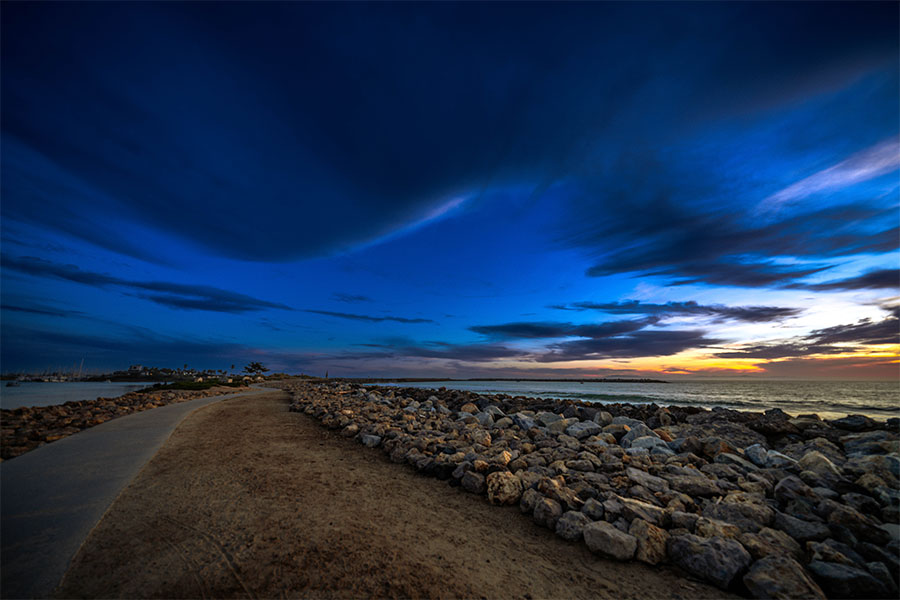
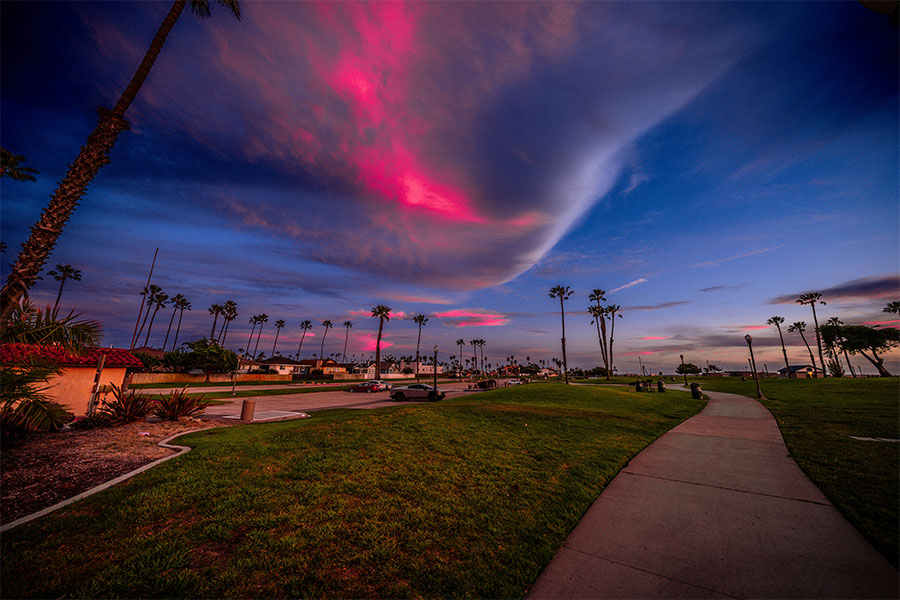
The winding paths, the rock formations, the horizon lines — they all follow geometric principles:
- Leading lines guide attention (vector flow)
- Rule of thirds balances visual weight (spatial partitioning)
- Symmetry and asymmetry create tension (optimization)
Photography is, in many ways, applied mathematics.
Light as Data
In machine learning, we work with signals and noise.
Photography is no different.
Each pixel captured by the Sony a7R V sensor represents:
- Light intensity (signal)
- Sensor variation (noise)
- Color distribution (feature space)
Golden hour isn’t just beautiful — it’s statistically favorable:
- Lower contrast → easier dynamic range compression
- Warm tones → smoother gradients
- Directional light → stronger edge detection
Nature is preprocessing the data for us.
The Photographer as a Model
Think about the process:
You observe → You frame → You adjust → You capture
This mirrors a machine learning pipeline:
- Input (scene)
- Feature selection (composition)
- Parameter tuning (exposure, aperture, shutter)
- Output (image)
Over time, photographers “train” themselves.
We learn patterns:
- When clouds will break
- How light wraps around objects
- Where symmetry naturally occurs
Experience becomes our dataset.
Why These Images Work
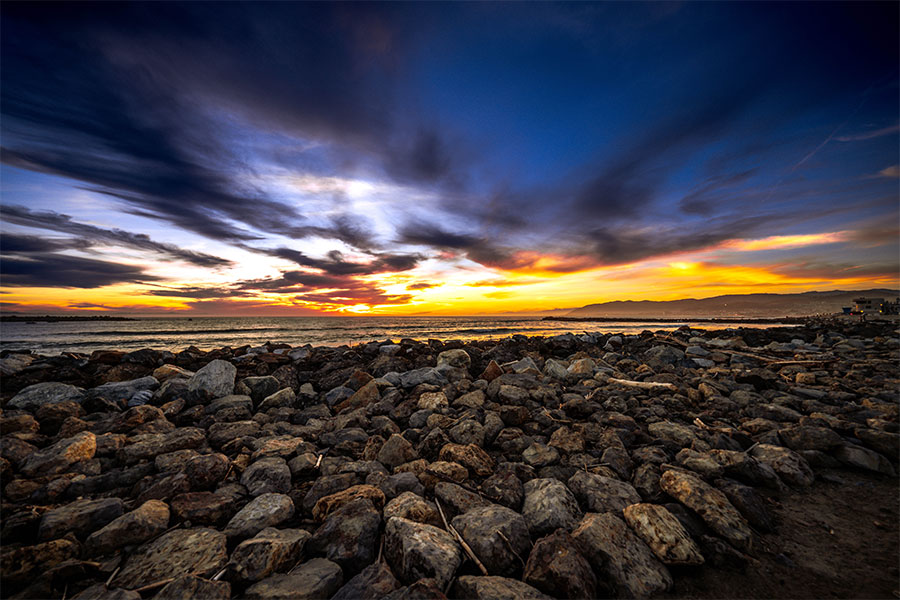
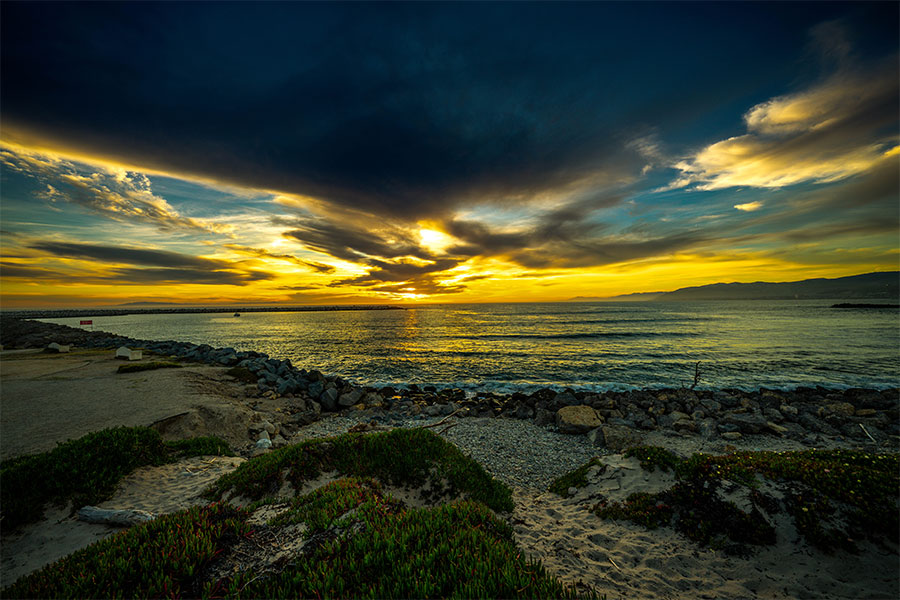
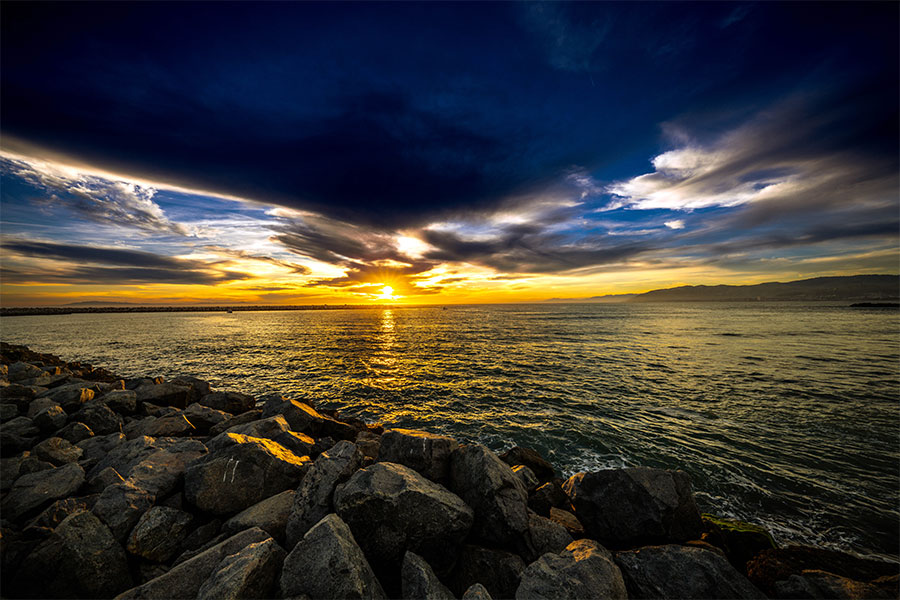
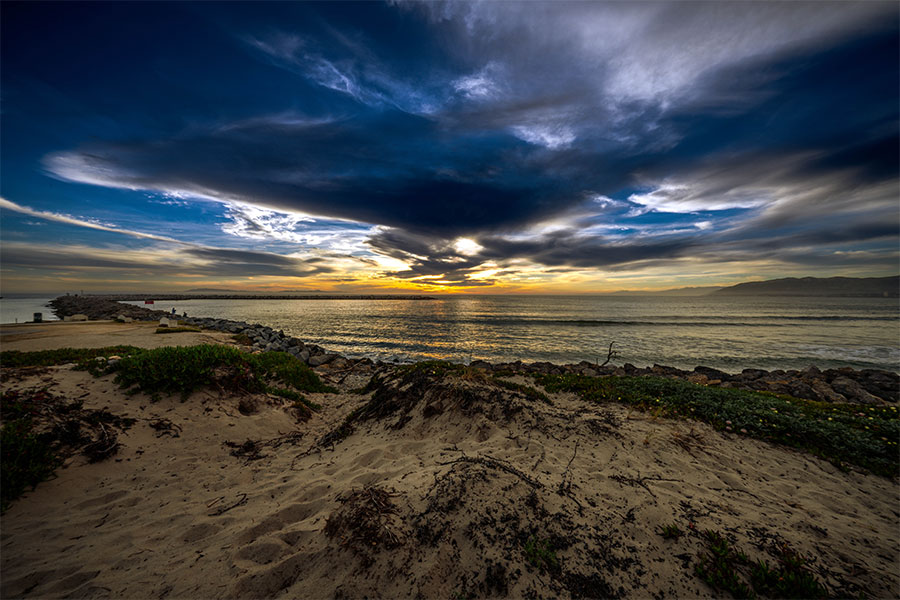
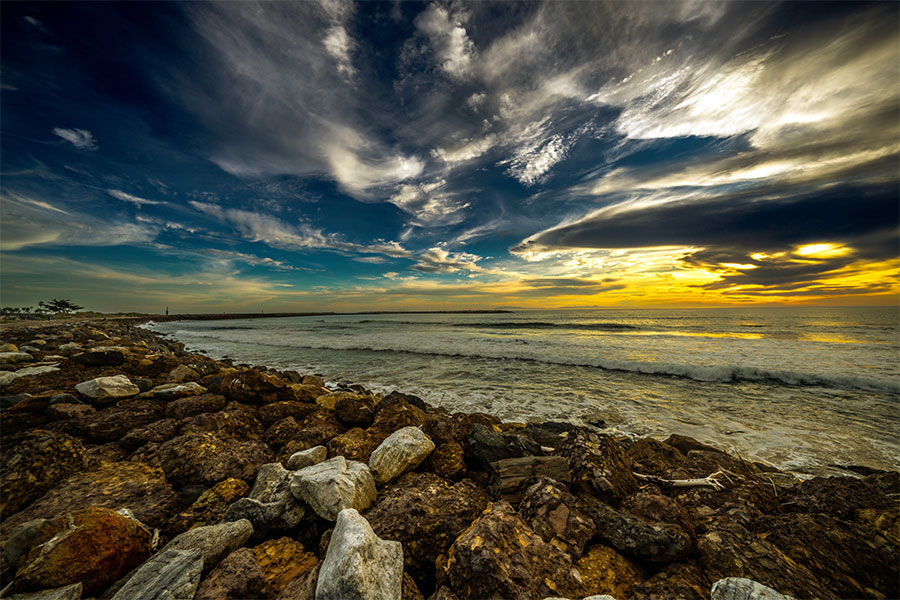
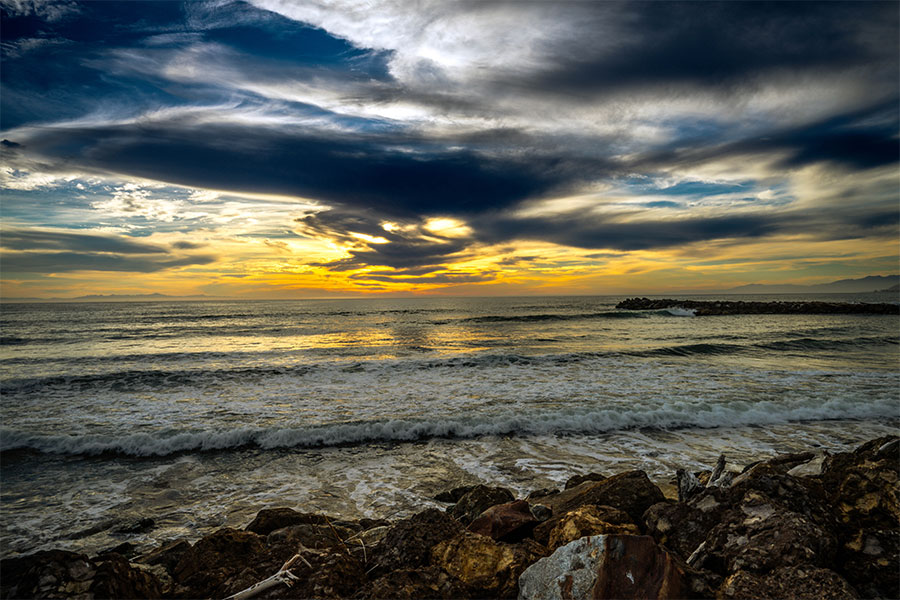
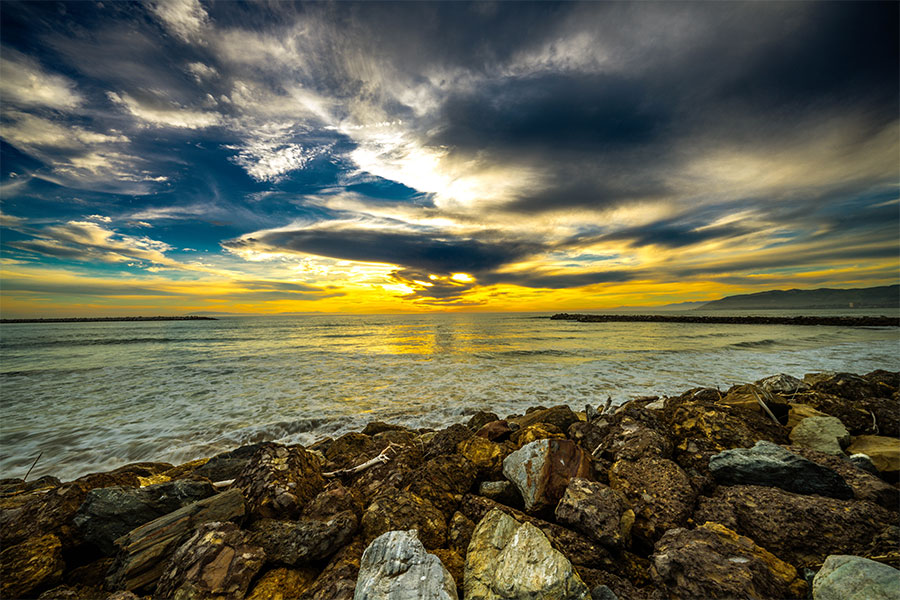
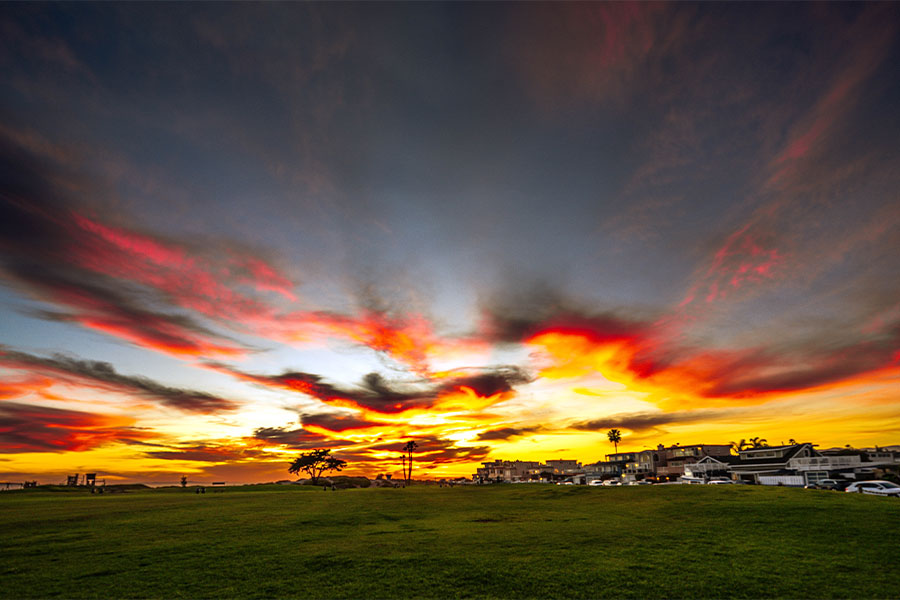
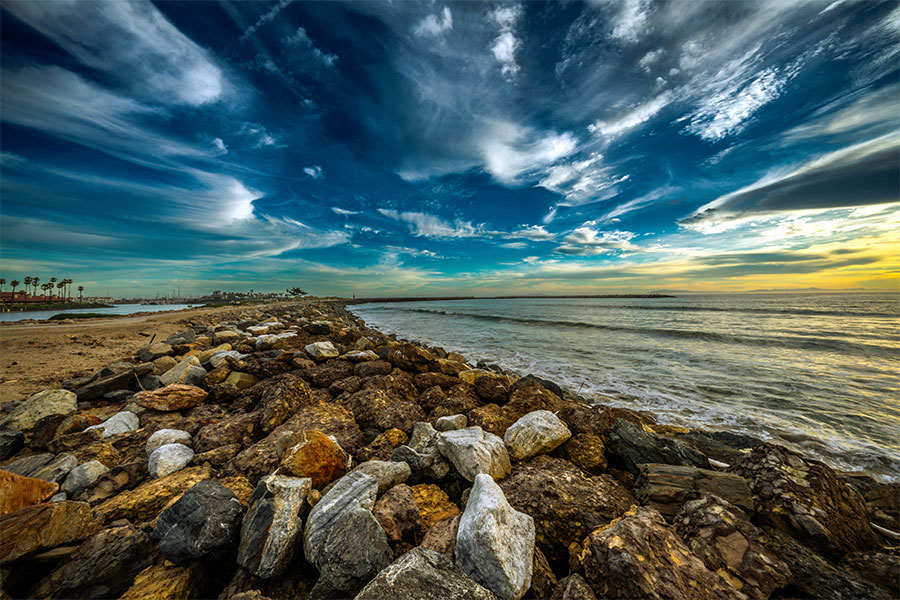
Looking at the Ventura Keys shots:
- Dramatic skies create high-frequency detail (attention-grabbing features)
- Foreground rocks add depth (multi-layer modeling)
- Color contrast between warm sunsets and cool oceans enhances separation (feature distinction)
These elements trigger something deeper in viewers — recognition of natural patterns their brains are already trained on.
That’s why some images feel “viral.”
They align with learned perception.
Art, Math, and Machine Learning — One System
We often separate disciplines:
- Art is emotional
- Math is logical
- Machine learning is technical
But at Ventura Keys, they felt like the same thing.
The sky behaves like a fluid simulation.
The light follows physical equations.
The composition solves a visual optimization problem.
And the photographer?
A system learning to interpret it all.
Final Thought
Photography isn’t just capturing reality.
It’s modeling it.
And maybe the most powerful images are the ones that sit perfectly at the intersection of:
beauty, structure, and intelligence.
📍 Location: Ventura Keys, California
📸 Camera: Sony a7R V
🔍 Lens: 24–70mm GM II
If you look closely, every photo is more than art.
It’s a dataset… waiting to be understood.